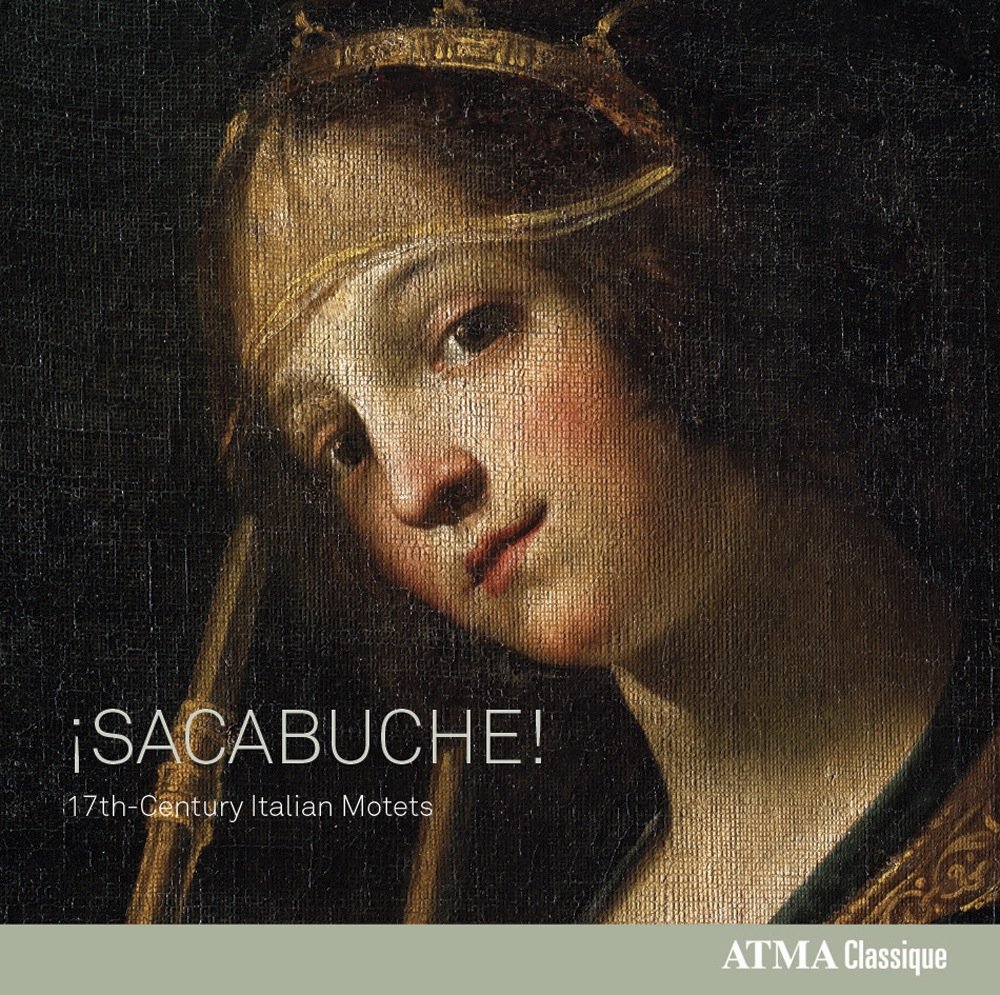
¡Sacabuche!
O albumie
Włoskie motety z początku XVII wieku z osobno wypisanymi partiami puzonów są tematem debiutanckiego albumu zespołu ¡Sacabuche! dla wytwórni ATMA. Pod kierunkiem kanadyjskiej puzonistki Lindy Pearse utwory te dokumentują rosnącą w XVII wieku skłonność do wskazywania konkretnych instrumentów i pisania dla nich idiomatycznych partii. Puzony nie tylko dublują głosy: pełnią funkcję basso continuo, nadają harmoniczną fakturę ruchliwym liniom wokalnym, a czasem stają się wręcz dodatkowym chórem bez słów. Nagranie wieńczy siedemnaście lat badań, wydawania, wykonywania i nauczania Lindy Pearse, która od 1997 roku gromadzi włoskie motety religijne z XVII wieku z osobnymi partiami puzonów. Wydanie krytyczne tej muzyki ukazało się nakładem A-R Editions w 2014 roku.
Prasa
This early music sackbut and vocal ensemble knows this repertoire well — even if the listener doesn't. Francesco Usper, Gasparo Casati, and Stefano Pasino aren't familiar even to many baroque music aficionados — but they should be. The music on this recording is all well-constructed and tuneful. And impeccably played. ⭐⭐⭐⭐⭐
'Sacabuche' are a sackbut and vocal ensemble that specialise in little-known repertoire for baroque trombones, organ and voice. This is their first released album, and it's a winner. I heard some tracks off the cd on the radio, and was instantly impelled to buy this cd; the music is sublime, and the performances stunning.
Une petite merveille à avoir dans sa discothèque! Des motets exhumés d'archives où ils étaient voués à l'oubli, ramenés à la vie d'une manière brillante, légère, sensible et profonde par des artistes engagés et investis! Une vraie réussite! (Translation: "A little marvel to have in your record collection! Motets exhumed from archives where they were destined for oblivion, brought back to life in a brilliant, light, sensitive and profound way by committed and invested artists! A real success!")
Every work on this release specifically calls for trombones as part of the continuo. And the trombones don't just double the voices. They also serve a continuo role, providing harmonic texture to the moving vocal lines. And sometimes even serve as an additional wordless choir.